


Extreme Auto Repair in Parker and Centennial, CO, explains what causes exhaust leaks and why cold weather can make them riskier.
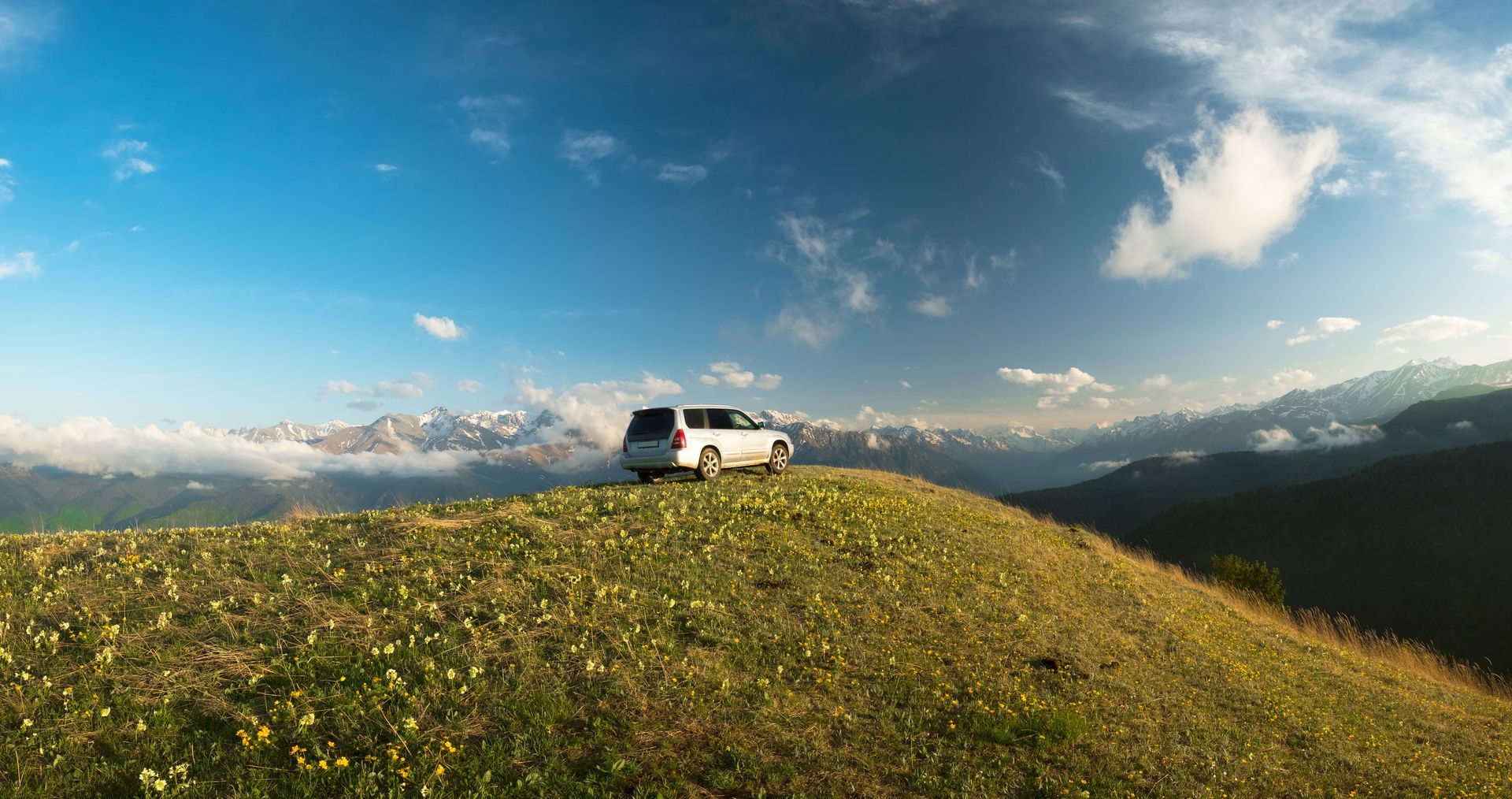
Extreme Auto Repair in Parker and Centennial, CO, explains why vehicles can feel different at higher elevations.
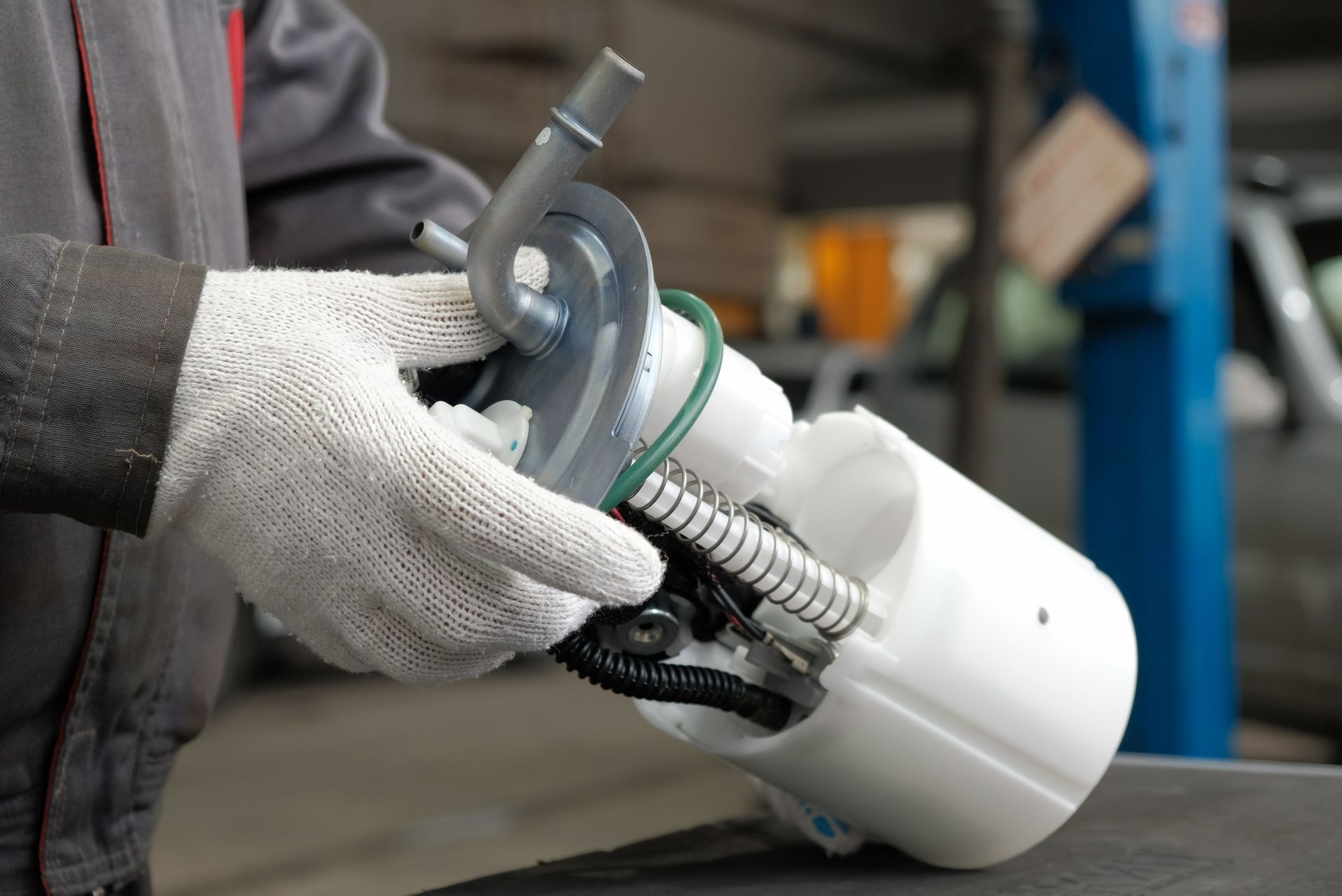
Extreme Auto Repair in Parker, CO, outlines the top causes of fuel pump damage and provides tips on how to prevent them for optimal vehicle performance.
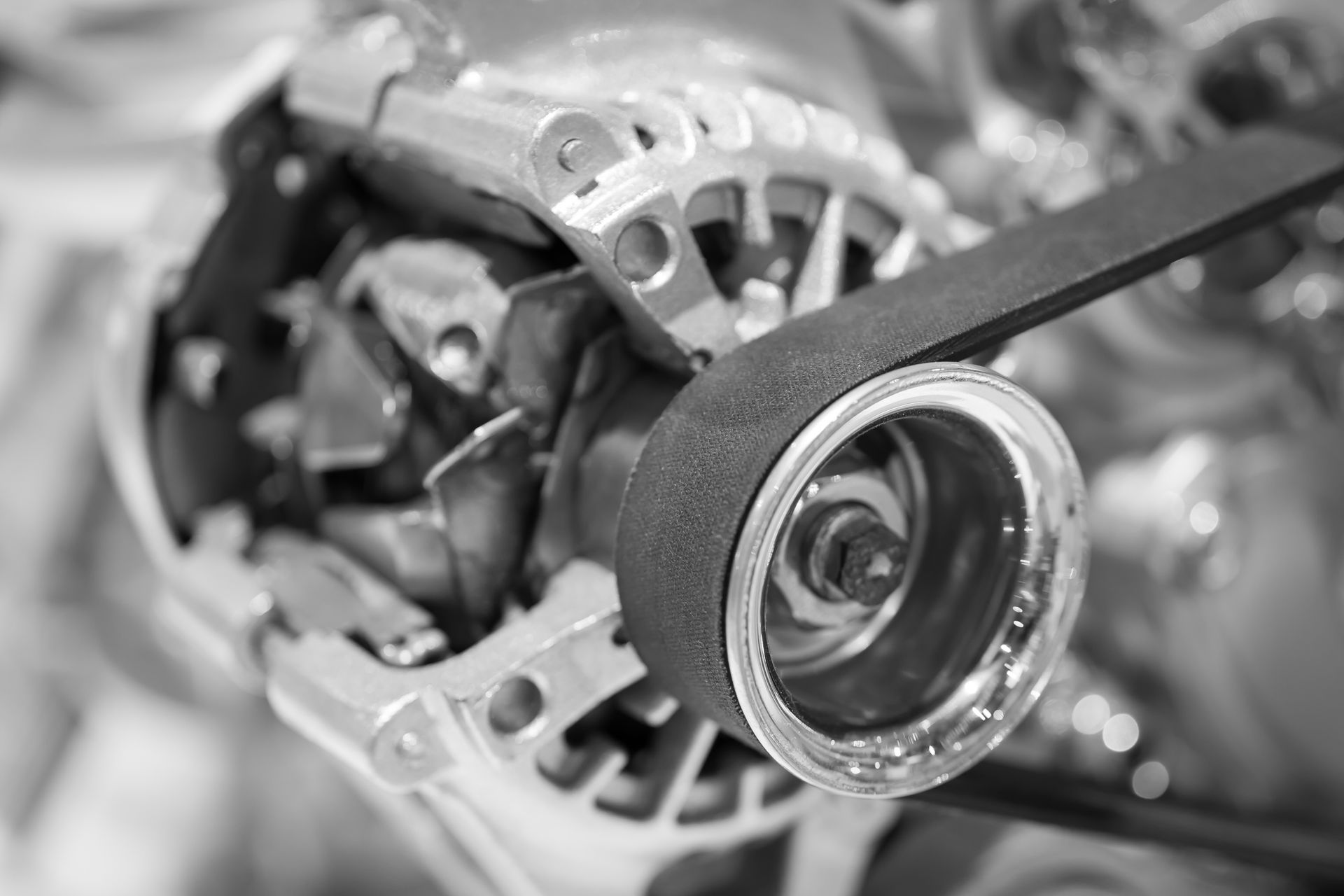
Extreme Auto Repair in Parker and Centennial, CO, explains what happens when your alternator stops charging and how to avoid a breakdown.

Extreme Auto Repair in Parker and Centennial, CO, shares why testing your battery and charging system is essential before holiday travel.

Extreme Auto Repair is proud to announce our expansion into Centennial, CO, bringing the same trusted service our customers have known in Parker to a brand-new location. If you've relied on our team for years—or if you're just discovering us for the first time—you can expect the same transparency, expertise, and dedication to quality at this second shop. We’ve always believed that auto repair should be honest, straightforward, and centered around the customer. Now, with two convenient locations, it’s easier than ever to get the expert care your vehicle needs—whether you’re commuting across town or heading into the mountains for the weekend. Everything You Love About Our Parker Shop—Now in Centennial Our new Centennial location is equipped to handle the full range of services on which we’ve built our name. From oil changes and alignments to full engine diagnostics and transmission work, this location mirrors the capabilities of our Parker shop in terms of both service and technology. You’ll see familiar faces, too. Our technicians are experienced, ASE-certified, and committed to doing the job right the first time. We’ve brought the same service values and attention to detail with us—so no matter which location you visit, you’ll get consistent, professional care. Top-Quality Service Without the Dealership Prices At Extreme Auto Repair, we know the challenges many drivers face when choosing between the convenience of a dealership and the personal care of an independent shop. That’s why we make it a point to offer dealer-level diagnostics and factory-grade repairs without the inflated costs or pushy sales tactics. Our new Centennial shop follows the same model: honest estimates, straightforward communication, and no pressure for services you don’t need. You get the right fix at the right price, and always with your best interests in mind. Modern Equipment, Fast Turnaround, and No Guesswork Vehicles are getting more advanced every year. To keep up, we’ve invested in state-of-the-art diagnostic tools and equipment at both of our shops. Whether you're driving a classic pickup or a brand-new hybrid, we have the tools and training to service it accurately and efficiently. Our new shop is designed for fast, streamlined repairs, so you don’t have to wait days for basic services. We also take pride in communication—we’ll keep you updated at every step, explain what’s going on in plain language, and never proceed with any work until you give the green light. Locally Owned, Community Focused Extreme Auto Repair isn’t part of a national chain. We’re a local business that’s proud to serve other locals. Opening our Centennial location is part of our commitment to making car care easier and more accessible across more of the Denver metro area. We understand the unique demands that Colorado drivers face—from mountain driving and winter weather to heavy traffic and longer commutes. Our team knows how to keep your vehicle ready for it all, and we’re here to help with regular maintenance, emergency repairs, and everything in between. Same Warranty, Same Trust Just like our Parker location, the new Centennial shop stands behind its work with a 3-year/36,000-mile nationwide warranty on most parts and labor. Whether you visit us in Parker or Centennial, you’ll have peace of mind knowing your repair is covered. We believe good work should speak for itself—and if there’s ever a problem, we’ll make it right. That’s how we’ve earned our reputation, and we’re excited to bring that level of trust and accountability to even more customers. Whether you’re a long-time customer from Parker or looking for reliable auto care closer to home in Centennial, Extreme Auto Repair is here for you. Our new location offers the same expert service, honest advice, and friendly faces you’ve come to expect—with even more convenience.

Extreme Auto Repair in Parker and Centennial, CO, explains how to drive safely through the Rockies when ice forms overnight on mountain roads.
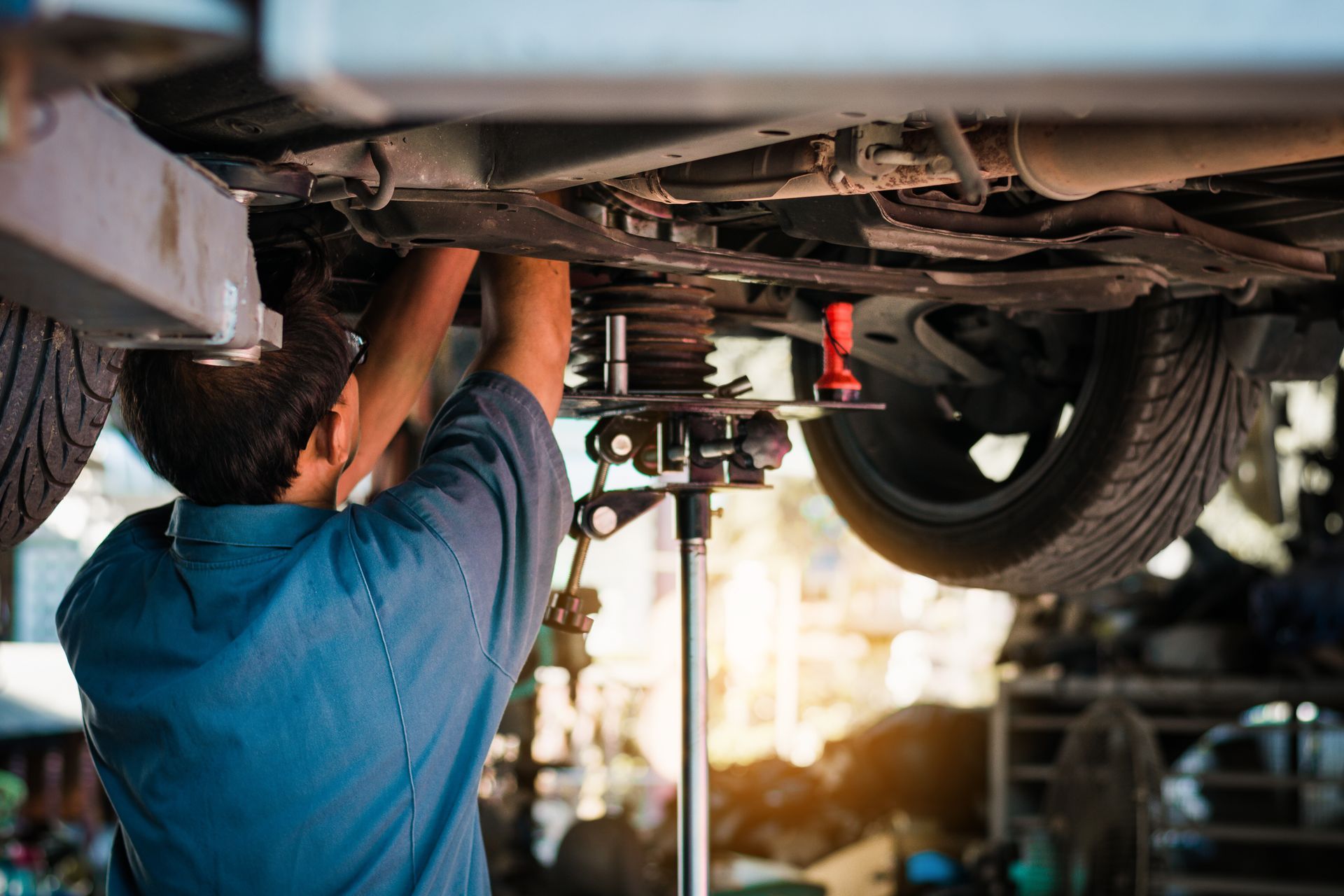
Extreme Auto Repair in Parker, CO, explains how to identify whether strange suspension noises mean something serious or minor wear.
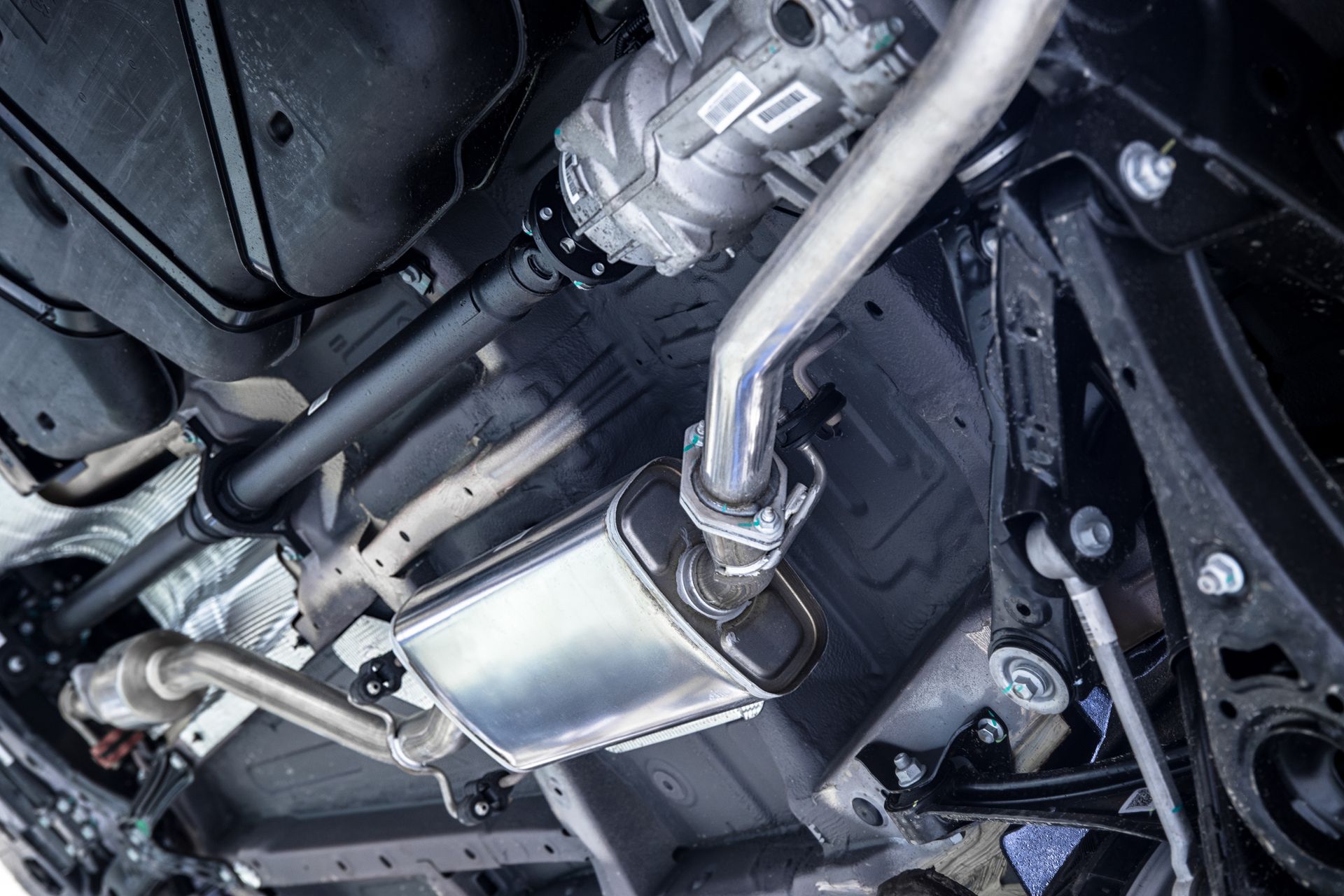
Extreme Auto Repair in Parker and Centennial, CO, explains how ignoring a clogged diesel particulate filter can lead to costly engine repairs and reduced performance.
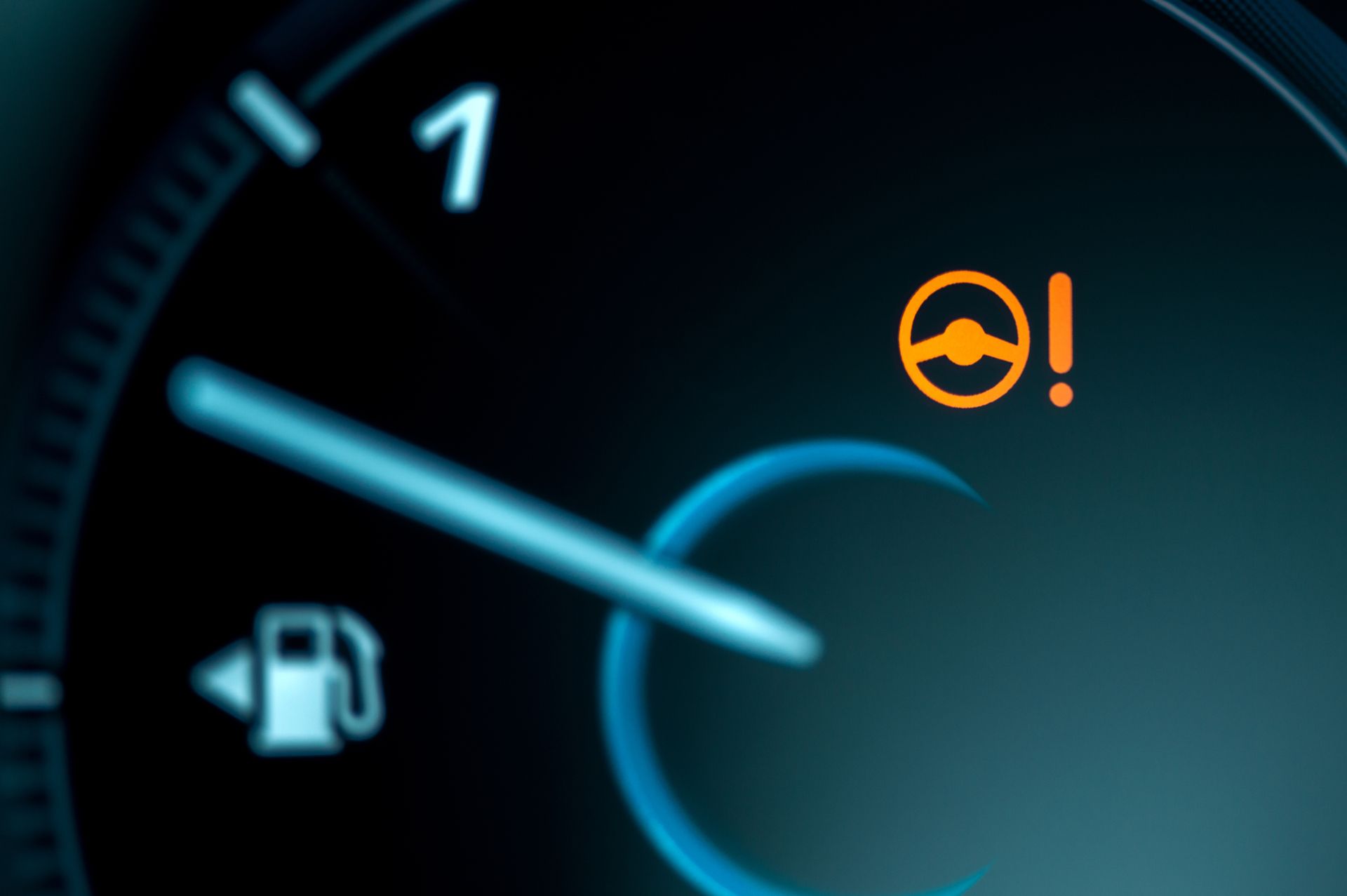
Extreme Auto Repair in Parker and Centennial, CO, explains why timely power steering flushes are essential to keep your steering system operating smoothly.