Posted on 12/19/2025

Once winter starts to fade, the potholes it leaves behind can feel worse than the snow and ice ever did. Frost heaves, plows, and repeated freeze–thaw cycles open up cracks that turn into deep holes right where you drive every day. Every sharp hit sends a shock through your tires, wheels, brakes, and suspension, even if the car seems to recover quickly. Over a few months, those hits can quietly bend parts, loosen joints, and chewed up tires that looked fine at the start of the season. Why Potholes Get Worse After Winter Potholes are basically failed patches in the road surface. Water seeps into cracks, freezes, expands, and breaks the pavement apart from the inside. Plow blades and traffic then loosen and pull out chunks, leaving holes of all shapes and sizes. Late winter and early spring usually bring the worst of it, since the ground is still moving and water is still working its way in and out. From the driver’s seat, you feel this as sudden, sharp i ... read more
Posted on 11/28/2025

A smooth road trip starts with a car that cranks confidently on the first try. Winter travel loads the electrical system with headlights, wipers, heated seats, and long hours of cold starts at rest stops. If the battery and alternator are already near their limits, the first chilly morning on the road is when they show it. A quick pre-trip electrical check prevents jump starts, flickering lights, and roadside delays. Why a Pre-Trip Electrical Check Matters Cold temperatures slow battery chemistry and thicken engine oil. That means your starter needs more current at the same moment your battery can deliver less. At highway speeds, the alternator has power to spare, but idling in traffic with every accessory on is where weak systems stumble. Verifying battery health and alternator output before you pack the trunk gives you confidence that every stop ends with a clean restart. Early Clues Your Battery Is Getting Tired Most batteries fade slowly and ... read more
Posted on 10/31/2025

Power steering is one of those systems most drivers don’t think about until it stops working. When your steering feels tight, sluggish, or starts making noise, it could be a sign that your power steering fluid is overdue for replacement. A power steering flush is not part of every routine maintenance plan, but it can make a big difference in how your vehicle handles and how long the steering components last. Why Your Car Needs Power Steering Fluid The power steering system uses hydraulic pressure to help you turn the wheel with minimal effort. Power steering fluid acts as the hydraulic medium, allowing pressure to build and transfer motion to the steering rack or gearbox. It also lubricates internal parts and helps prevent corrosion and wear. Over time, this fluid breaks down due to heat, friction, and contamination. It can become dirty or full of tiny metal particles from the internal components. When that happens, it can no longer do its job effectivel ... read more
Posted on 9/26/2025
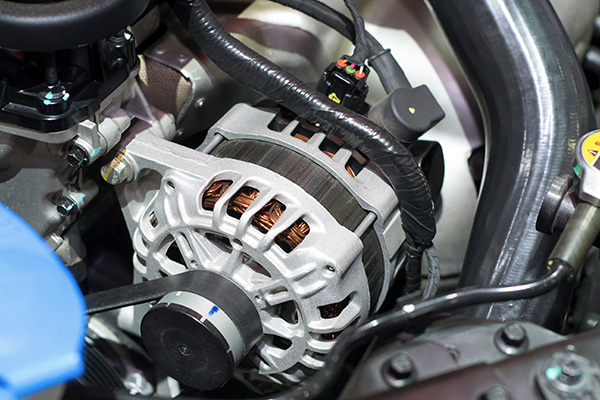
Your vehicle relies on a steady supply of electrical power to keep everything running — from the ignition system to the headlights and onboard electronics. The alternator has a central role in this process by converting mechanical energy from the engine into electricity and keeping the battery charged. When the alternator stops charging, your car can only run on the remaining battery power, which won’t last long. Knowing the warning signs and potential consequences of a failing alternator can help you avoid being stranded and prevent damage to other components. The Alternator’s Role in Your Vehicle While the battery provides the initial power to start your engine, the alternator keeps everything running once the engine is on. It powers your vehicle’s electrical systems and replenishes the battery’s charge at the same time. When the alternator fails or stops charging, your battery takes over temporarily. Unfortunately, without the alter ... read more
Posted on 8/29/2025
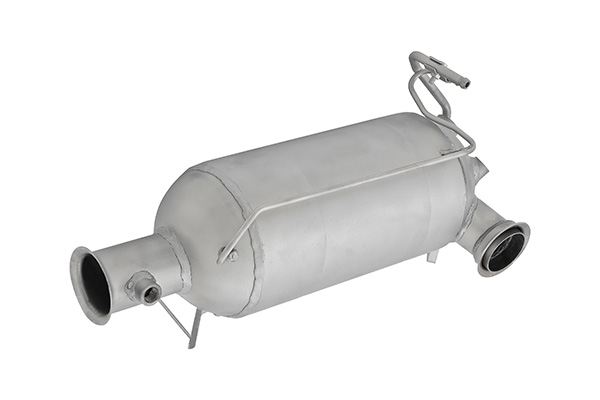
Diesel engines are known for their power, torque, and fuel efficiency, but they also produce more soot than gasoline engines. To keep harmful emissions in check, modern diesel vehicles use a Diesel Particulate Filter (DPF) to capture and store soot particles from the exhaust. Over time, this filter can become clogged, and ignoring it can result in expensive repairs and significant performance issues. Knowing what your DPF does, how it becomes clogged, and why prompt maintenance is so important can help you avoid a repair bill that runs into the thousands. What the DPF Does The DPF is located in the exhaust system and traps tiny soot particles before they can be released into the air. It stores these particles until they can be burned off in a process called regeneration. Regeneration occurs automatically when the exhaust temperature reaches a sufficiently high level, typically during sustained highway driving. If regeneration does not occur frequently enough, due t ... read more
Posted on 7/25/2025
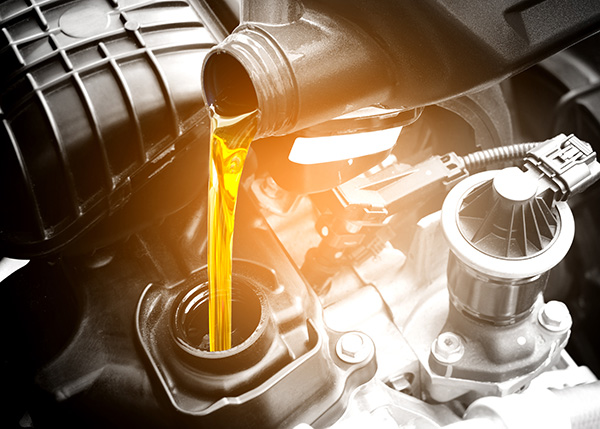
It can be puzzling and frustrating to find that your engine oil level is dropping, even though you don’t see any obvious leaks under your vehicle. You might check your driveway or garage floor expecting to find a puddle, only to discover it’s clean and dry. So, where is the oil going? Understanding why your car loses oil without a visible leak is crucial for protecting your engine and avoiding expensive repairs. Burning Oil Internally One of the most common reasons for oil loss without a visible leak is internal oil consumption. This happens when oil slips past worn or damaged piston rings or valve seals and enters the combustion chamber. Once there, it burns along with the fuel-air mixture. When this occurs, you might notice blue-tinted exhaust smoke, especially during startup or acceleration. However, in smaller amounts, this smoke might not be obvious, making it easy to overlook the problem until oil levels become critically low. PCV System M ... read more
Posted on 6/27/2025
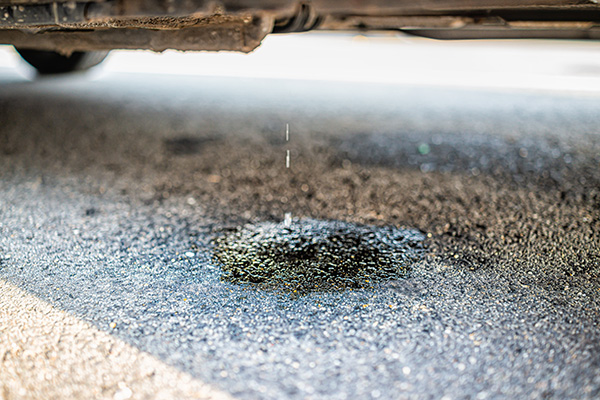
Coolant is one of the most essential fluids in your vehicle, yet it’s often overlooked—until something goes wrong. Many drivers notice a small green, pink, or orange puddle under their car and brush it off as a minor issue. However, ignoring a coolant leak can lead to serious, sometimes irreversible, damage to your engine and other components. Coolant, or antifreeze, does more than just keep your engine from overheating. It helps regulate engine temperature year-round, protects internal components from corrosion, and prevents freezing during cold months. When that system is compromised, the results can be costly and dangerous. What Causes a Coolant Leak Coolant can leak from a number of places in your vehicle. Common sources include the radiator, hoses, water pump, heater core, thermostat housing, and the head gasket. Over time, rubber components like hoses and seals degrade due to heat and pressure, becoming brittle and prone to cracking. Corrosion can ... read more
Posted on 5/30/2025
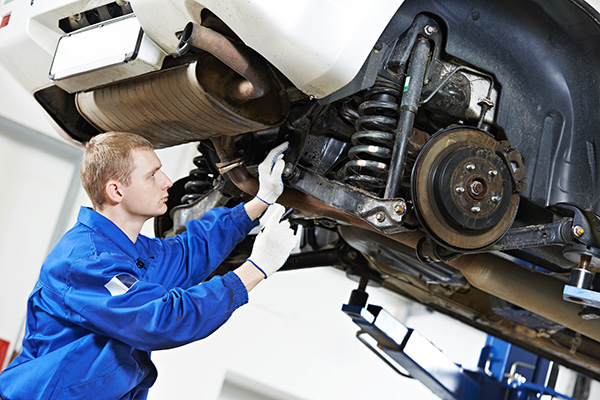
Your vehicle’s suspension system does more than just make the ride comfortable—it’s responsible for stability, steering, and keeping all four tires firmly on the road. So when strange noises start coming from the suspension, it’s not something to brush off. Clunks, creaks, or squeaks might seem minor at first, but they often point to wear in important components that affect how your vehicle handles. If your car has been sounding different lately, here’s how to tell when those suspension noises mean something’s wrong—and when it’s time to get it looked at. Where the Noise Comes From Suspension noises can come from a number of parts working together: shocks or struts, control arms, bushings, sway bars, ball joints, and more. Most of the time, you’ll notice the sound during very specific conditions—like when going over bumps, making tight turns, or braking. That’s because suspension components are under ... read more
Posted on 4/18/2025

Extreme Auto Repair is proud to announce our expansion into Centennial, CO, bringing the same trusted service our customers have known in Parker to a brand-new location. If you've relied on our team for years—or if you're just discovering us for the first time—you can expect the same transparency, expertise, and dedication to quality at this second shop. We’ve always believed that auto repair should be honest, straightforward, and centered around the customer. Now, with two convenient locations, it’s easier than ever to get the expert care your vehicle needs—whether you’re commuting across town or heading into the mountains for the weekend. Everything You Love About Our Parker Shop—Now in Centennial Our new Centennial location is equipped to handle the full range of services on which we’ve built our name. From oil changes and alignments to full engine diagnostics and transmission work, this location mirrors the ... read more
Posted on 3/28/2025

Car repairs can be stressful, but the last thing you want is to feel like you're being taken advantage of. Whether it's a routine service or a major fix, trust is key when working with an auto shop. But how can you tell if you're getting a fair price or paying way more than necessary? Some shops push unnecessary repairs, overcharge for labor, or mark up parts beyond a reasonable amount. If something doesn’t feel right about your estimate, it may be time to consider a second opinion. Warning Signs of Overcharging Not all high repair bills are a sign of dishonesty. Some services genuinely cost more due to the complexity of the job or the price of parts. However, there are certain red flags that could indicate you’re paying too much. A big one is a vague or confusing estimate. A reputable shop will break down the cost of parts, labor, and any additional fees. If you’re handed a total without a clear explanation, that’s a sign to ask ... read more