Posted on 5/29/2026
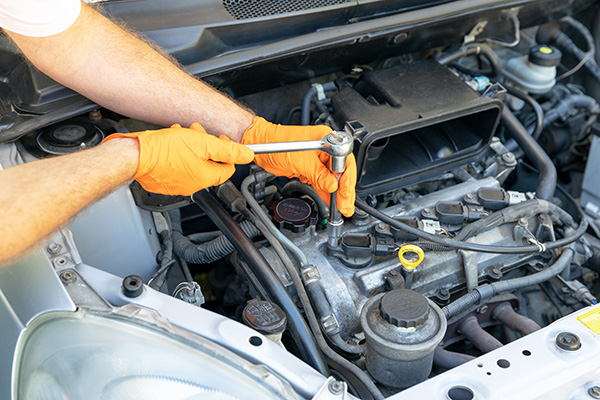
An engine tune-up is not the same service it was decades ago. Older vehicles needed frequent adjustments to carburetors, ignition timing, and distributor parts. Modern vehicles rely more on sensors, computers, ignition coils, fuel control, and emissions systems, so the meaning of a tune-up has changed. The goal is still the same, though. A good tune-up helps the engine start more easily, burn fuel correctly, run smoothly, and avoid small problems that can grow into expensive repairs. What A Modern Engine Tune-Up Means A professional engine tune-up is really a focused check of the parts that help the engine run cleanly and efficiently. It can include spark plugs, ignition coils, filters, fuel system checks, battery and charging tests, computer diagnostics, fluid checks, and an inspection of belts, hoses, and vacuum lines. Not every vehicle needs the same service at the same time. That is why a modern tune-up should begin with the vehicle’s mileage, service his ... read more
Posted on 4/30/2026
Fuel economy doesn't drop all at once. Most drivers notice it in pieces. The tank doesn't last as long, the gauge seems to drop faster during the week, or the car needs fuel sooner than it did a month ago. Because the change builds slowly, traffic, weather, and A/C use are usually blamed first. Sometimes those factors really are part of it. Still, when the pattern keeps showing up, the vehicle itself deserves a closer look. A car can burn more fuel without feeling obviously broken. Airflow Problems Can Make The Engine Work Harder The engine needs the right amount of clean air to burn fuel efficiently. If the air filter is dirty or airflow readings are off, the engine can start compensating in ways that hurt fuel economy. Drivers may not notice much change at first, beyond a slight reduction in throttle response or a slightly duller feel when accelerating. Mass airflow sensor issues can create a similar problem. When the sensor sends inaccurate information ... read more
Posted on 3/27/2026
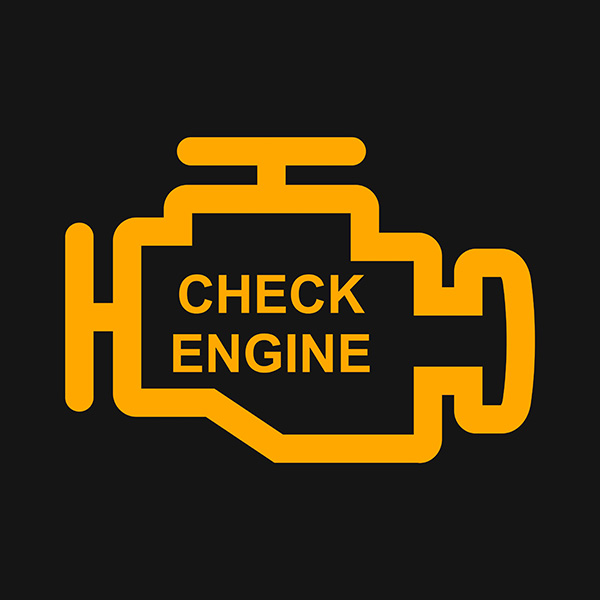
A check engine light can feel unfair when the car still starts, idles, and drives like it always has. The disconnect makes people hesitate, since it is hard to justify a shop visit for something you cannot feel. The catch is that the light is not judging comfort or drive feel. It is reacting to data that moved out of the range the computer expects. The meaning depends on what the car noticed, and when it noticed it. Why The Light Can Be On With No Symptoms Modern engines are watched constantly, and many faults show up in emissions control before they show up in drivability. A small leak, a slightly slow sensor, or a mixture correction that is getting larger can trigger a code while the engine still feels normal. That is why the light can turn on during a perfectly ordinary commute. Another reason is timing. Some issues occur only during a specific test the car runs while driving, then the light stays on even if the condition is not happening at that exact moment. T ... read more
Posted on 2/27/2026
A vibration that shows up around 55–75 mph can make a car feel sketchy, even if it drives fine around town. Sometimes it’s a mild buzz in the steering wheel. Other times it feels like the whole seat and floor are humming, and you find yourself easing off the throttle just to make it stop. Highway-speed vibrations are usually caused by something rotating slightly out of true. The sooner you track it down, the less chance it has to chew up tires, stress suspension parts, or turn into a louder noise. Tire Issues That Trigger Highway Vibration Tires are the most common source because they spin fast and take constant impacts. Low pressure, uneven wear, or a separated tire belt can all cause a shake that worsens with speed. You might not notice it at 30 mph, but at 70 mph it becomes obvious. Look closely at your tread for bald spots, cupping, or a scalloped pattern. If you recently hit a pothole or curb, that impact can start a problem that only shows up late ... read more
Posted on 1/30/2026

Overnight ice in the Rockies has a way of making a normal drive feel like a completely different sport. Roads that look fine at sunset can turn slick by sunrise, especially on bridges, shaded corners, and higher elevations where the temperature drops fast. The tricky part is that it doesn’t always look dramatic. Sometimes it just looks like dark pavement, and you only find out it’s ice when the steering feels light, or the car doesn’t slow down the way you expected. This is one of those situations where a few smart habits do more than a fancy vehicle does. You can have all-wheel drive and still slide. You can have new tires and still be surprised. The goal is to stack the odds in your favor. Why Ice Forms Overnight Even When It Didn’t Snow Ice doesn’t always need fresh snow. A clear night with moisture in the air is enough. Melted snow can refreeze. A light drizzle can freeze on contact. Even water from earlier in the day can linger in ... read more