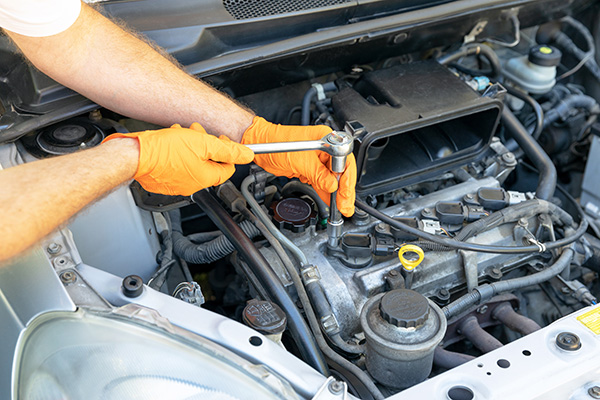
An engine tune-up is not the same service it was decades ago. Older vehicles needed frequent adjustments to carburetors, ignition timing, and distributor parts. Modern vehicles rely more on sensors, computers, ignition coils, fuel control, and emissions systems, so the meaning of a tune-up has changed.
The goal is still the same, though. A good tune-up helps the engine start more easily, burn fuel correctly, run smoothly, and avoid small problems that can grow into expensive repairs.
What A Modern Engine Tune-Up Means
A professional engine tune-up is really a focused check of the parts that help the engine run cleanly and efficiently. It can include spark plugs, ignition coils, filters, fuel system checks, battery and charging tests, computer diagnostics, fluid checks, and an inspection of belts, hoses, and vacuum lines.
Not every vehicle needs the same service at the same time. That is why a modern tune-up should begin with the vehicle’s mileage, service history, symptoms, and manufacturer recommendations. Replacing parts without a reason is not the goal. Finding what the engine actually needs is.
How Often Should You Schedule One?
For many vehicles, a tune-up or tune-up-style service makes sense every 30,000 to 100,000 miles, depending on the vehicle and the parts involved. That range sounds wide because modern spark plugs and ignition systems vary widely. Some spark plugs are due around 30,000 miles, while long-life plugs can last much longer.
The owner’s manual is the best starting point. It lists service intervals for spark plugs, filters, fluids, and other items tied to engine performance. Still, mileage is only one part of the decision. Driving habits, age, heat, stop-and-go driving, and service history can all advance the timeline.
Signs Your Engine Might Need A Tune-Up
Some vehicles need attention before the next mileage interval. The engine gives clues when combustion, airflow, fuel delivery, or ignition is not working as well as it should. These signs can be mild at first, making them easy to dismiss.
Common tune-up warning signs include:
- Hard starting or longer cranking
- Rough idle at stoplights
- Hesitation when accelerating
- Lower fuel economy
- A check engine light on the dashboard
- A fuel smell or exhaust smell that seems unusual
These symptoms do not always mean the same part has failed. A rough idle can be caused by worn spark plugs, dirty airflow readings, vacuum leaks, fuel issues, or sensor problems. A proper inspection helps sort out the cause before parts are replaced.
Why Spark Plugs Are A Big Part Of Tune-Ups
Spark plugs are still one of the main parts people connect with tune-ups, and for good reason. They ignite the air-fuel mixture inside the engine. As they wear, the spark can weaken or become less consistent, affecting starting, idle quality, power, and fuel economy.
Worn plugs can also make ignition coils work harder. If the plugs stay in too long, a simple service can turn into coil failure or misfire repairs. On some engines, overdue plugs are harder to remove safely, which is another reason not to push the interval too far.
Filters And Fuel System Health Count Too
An engine needs clean air and the right fuel delivery to run correctly. A dirty air filter can restrict airflow, while dirty fuel injectors can affect how fuel is sprayed into the engine. Neither issue has to make the car feel terrible right away, but both can slowly change how the engine performs.
Cabin filters are different from engine air filters, so they should not be confused. The engine air filter protects the engine’s intake air. If it is clogged, damaged, or installed poorly, the engine may have to work harder than it should. Fuel system checks can also help when a vehicle hesitates, runs rough, or shows reduced mileage.
Diagnostics Help Avoid The Wrong Repair
A tune-up should not be treated like a blind parts list. Modern vehicles store data that can show misfire counts, fuel trim behavior, airflow readings, sensor activity, and other useful clues. That information can point toward the system that is actually falling behind.
For example, replacing spark plugs might not fix a rough idle if the real issue is a vacuum leak or a failing sensor. A scan tool does not fix the car by itself, but it gives a technician better direction. Combined with hands-on testing, it helps make the repair more accurate.
Why Regular Maintenance Keeps Tune-Ups Simpler
Tune-ups work best when they are part of regular maintenance instead of a last-minute response to a badly running engine. When oil changes, filters, spark plugs, fluids, and inspections stay on schedule, the engine has a better chance of staying clean and predictable.
Waiting until the vehicle runs poorly can make the service more involved. A misfire can damage the catalytic converter. Old plugs can stress coils. Poor fuel control can reduce fuel efficiency and increase emissions. Staying ahead of those problems is usually less expensive than waiting for the engine to force the repair.
Get Engine Tune-Up Service In Colorado, With Extreme Auto Repair
If your car is harder to start, uses more fuel, runs rough, or is due for scheduled engine maintenance, Extreme Auto Repair can help drivers in Parker, CO, and Centennial, CO, with a professional tune-up and a clear inspection of the systems that affect performance.
Bring it in before small engine changes turn into warning lights, misfires, or repairs that could have been avoided.