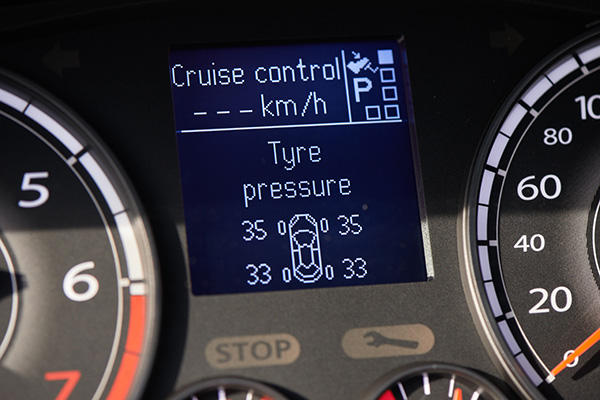
A tire pressure warning light can be helpful, but it can also be annoying when you are not sure what it means. Sometimes one tire is actually low. Other times, the light stays on after the tires are filled. In some cases, the warning flashes first, then stays solid, which points to a different kind of problem.
TPMS sensors are small parts, but they play an important role in tire safety. They help alert you when tire pressure drops below a safe range. When they fail, the car may no longer give accurate pressure warnings, leaving drivers to rely on a system that isn't working the way it should.
What TPMS Sensors Actually Do
TPMS stands for tire pressure monitoring system. In many vehicles, each wheel has a sensor mounted inside the tire, usually attached to the valve stem. That sensor measures air pressure and sends information wirelessly to the vehicle’s computer.
If pressure drops too low, the TPMS light turns on. Some vehicles display tire pressure on the dashboard. Others only show a warning light. Either way, the system is meant to help drivers catch low tire pressure before it creates poor handling, faster tire wear, lower fuel economy, or a damaged tire.
Direct TPMS Vs. Indirect TPMS
Most drivers think of TPMS as a sensor inside the tire, and that is true for direct TPMS systems. Direct sensors measure actual air pressure from inside each wheel. They can usually tell which tire is low and give a more accurate reading.
Indirect TPMS works differently. It does not use pressure sensors inside the tires. Instead, it uses wheel speed information from the ABS system to estimate whether one tire may be low. If a tire loses air, it rolls at a slightly different speed. Both systems can be useful, but direct TPMS sensors have batteries and physical parts that can fail over time.
Sensor Batteries Do Not Last Forever
One of the most common reasons a direct TPMS sensor fails is battery age. The battery is built into the sensor, so it is not replaced like a remote battery. Once the battery gets weak, the sensor usually needs to be replaced as a complete unit.
Many TPMS batteries last several years, but age, driving conditions, and sensor quality all affect lifespan. A failing sensor battery may cause a flashing TPMS light, a missing tire pressure reading, or a warning that returns even after the tires are properly inflated. If several sensors are the same age, more than one may be close to failing.
Tire Service Can Damage A Sensor
TPMS sensors sit inside the wheel, so they can be damaged during tire removal or installation if the technician is not careful. The sensor can be cracked, knocked loose, or broken near the valve stem. This is more likely when older valve stems are corroded or when the sensor is already weakened by age.
That does not mean tire service is risky when done properly. It means the sensor should be handled with care during tire replacement, rotation, balancing, or valve service. A shop should also check the sensor condition when tires are off the wheel, especially on older vehicles.
Valve Stem Corrosion And Leaks
Many TPMS sensors are attached to metal or rubber valve stems. Over time, corrosion, road salt, moisture, or worn seals can create leaks around the stem. A tire can lose air slowly even if the tread area has no nail or puncture.
Drivers sometimes fill the tire and assume the problem is solved, only to see the light return a few days later. A leaking TPMS valve stem needs attention because the sensor area is part of the seal. During an inspection, the tire, wheel bead, valve stem, and sensor hardware should all be checked before blaming the tire alone.
Programming And Replacement Issues
A new TPMS sensor is not always ready right away after installation. Many sensors need to be programmed, relearned, or matched to the vehicle. If that step is skipped or done incorrectly, the car may not recognize the sensor.
This can happen after tire replacement, wheel replacement, seasonal tire changes, or sensor replacement. The light may flash, stay on, or show missing pressure readings. The sensor might be fine, but the vehicle still doesn't know how to read it. The correct relearn process matters because not every vehicle uses the same procedure.
Low Tire Pressure Is Still The First Thing To Check
Not every TPMS warning means a failed sensor. The first step is still checking tire pressure with a reliable gauge. Temperature changes can lower pressure, and a small puncture can create a slow leak that takes days to show up clearly.
Regular maintenance should include tire pressure, tread, and valve stem checks. TPMS is a helpful backup, but it should not replace basic tire care. If one tire keeps losing air, the cause needs to be found. The warning light is only the message, not the repair.
Get TPMS Sensor Service In Colorado, With Extreme Auto Repair
Extreme Auto Repair can help drivers in Parker, CO, and Centennial, CO, with TPMS warnings, sensor replacement, tire leaks, relearn procedures, and tire pressure concerns.
If your TPMS light is on, flashing, or showing the wrong pressure, contact us to schedule an appointment.