

Why Your Car Feels Different at Higher Elevations in Colorado


August 29, 2026

A vehicle can feel noticeably different at higher elevations because thinner air affects combustion, cooling, tire pressure, turbocharger operation, and even the way the transmission responds on steep grades. Drivers may notice weaker acceleration, more frequent downshifts, longer braking distances, or changing engine behavior as elevation increases.


Some of these changes are normal. Others reveal a developing problem that was less noticeable at lower elevation. Understanding the difference helps drivers protect the engine, brakes, tires, and cooling system while traveling through Colorado.


Thinner Air Reduces Engine Power


Air becomes less dense as elevation increases. A naturally aspirated engine draws in less oxygen with each intake stroke, so the engine computer reduces fuel delivery to maintain the correct air-fuel mixture. With less air and fuel available for combustion, the engine produces less power.


The driver may notice slower acceleration, reduced passing power, or a greater need to press the accelerator on hills. The transmission may downshift more often to keep the engine in a stronger operating range. This is expected behavior when the engine is otherwise operating correctly.


The power change is more noticeable in smaller naturally aspirated engines, especially when the vehicle is carrying passengers, luggage, or towing weight. A dirty air filter, weak ignition system, restricted fuel delivery, or low compression can make the loss feel much stronger than elevation alone should cause.


Turbocharged Engines Respond Differently


A turbocharger compresses incoming air before it enters the engine. This allows many turbocharged engines to maintain more of their power at elevation than naturally aspirated engines. The engine control system can command the turbocharger to work harder to reach the requested intake pressure.


That does not mean elevation has no effect. The turbocharger may spin faster and generate more heat to compensate for the thinner air. Heavy acceleration, long climbs, hot weather, and low-quality oil can place greater demand on the turbocharger and cooling system.


A turbocharged vehicle that suddenly feels weak, produces unusual whistling, releases smoke, or displays an engine warning needs diagnostic testing. Air leaks, damaged charge pipes, wastegate faults, boost-control problems, or restricted airflow can prevent the system from producing the expected pressure.


Why The Transmission Shifts More Often


Mountain roads require more torque than level driving. When engine output falls and road grade increases, the transmission selects lower gears to keep the vehicle moving at the requested speed.


More frequent downshifting is not automatically a transmission fault. It is often the correct response to increased load. Automatic transmissions may also hold lower gears during descents to provide engine braking and reduce brake use.


Problems become more likely when shifts are harsh, delayed, inconsistent, or accompanied by slipping. A rising engine speed without matching acceleration, a burning odor, or a transmission warning requires prompt service. Correct fluid level and fluid specification are especially important because heat builds quickly during long climbs.


Cooling Systems Work Harder On Mountain Roads


Climbing at elevation places sustained load on the engine. The throttle remains open farther, the transmission may stay in a lower gear, and the cooling system must remove more heat for a longer period.


Thin air also reduces the amount of cooling airflow passing through the radiator and A/C condenser. The difference is especially important during slow climbs, heavy traffic, towing, or hot summer weather. Cooling fans, radiator condition, coolant flow, and pressure control all need to operate correctly.


Warning signs include:


  • A rising temperature gauge
  • A low-coolant message
  • Weak cabin heat
  • Coolant odor
  • Steam from the engine compartment
  • Cooling fans running excessively
  • A/C performance dropping during climbs


Stop driving if the engine temperature rises above its normal range. Continuing uphill with an overheating engine can damage cylinder heads, gaskets, pistons, and turbocharger components.


Tire Pressure Changes With Elevation And Temperature


Tire pressure is influenced more by temperature than elevation, but both can affect the reading. Pressure measured at lower elevation may rise slightly as the vehicle climbs because outside atmospheric pressure decreases. Temperature changes during the trip often have a greater effect.


Mountain mornings can be cold, while afternoon pavement and highway driving heat the tires considerably. Pressure should be checked when the tires are cold and adjusted to the specification on the driver’s door placard.


Do not release air from a warm tire simply because the reading is higher after driving. As the tire cools, pressure will fall again. Uneven wear, repeated warning lights, or one tire losing pressure faster than the others point toward a leak rather than elevation.


Braking Feels Different On Long Descents


Elevation itself does not reduce hydraulic brake pressure, but mountain descents create prolonged braking demand. Holding the brake pedal continuously generates heat in the pads, rotors, calipers, and fluid.


As brake temperature rises, stopping performance can decrease. The pedal may feel softer, braking distance may increase, or a sharp hot odor may develop. Severely overheated brakes can fade enough that the vehicle becomes difficult to slow.


Use a lower gear on long descents so the engine helps control speed. Apply the brakes firmly enough to reduce speed, then release them to allow cooling rather than dragging them continuously. Brake fluid condition, pad thickness, rotor condition, and caliper operation should be included in a pre-trip inspection.


Fuel And Starting Behavior May Change


Modern engine computers adjust fuel delivery for changing air density, so drivers should not need to make manual changes. However, a weak battery, worn spark plugs, contaminated sensors, or intake leaks may become more noticeable during cold starts at elevation.


Cold mountain temperatures reduce battery output while increasing the effort needed to crank the engine. A battery that performs adequately in mild weather may struggle after an overnight temperature drop.


Regular maintenance should include battery testing, proper engine oil, clean intake components, correct spark plugs, and attention to warning lights. A vehicle should adapt to elevation without stalling, misfiring, or producing strong fuel odors.


Get High-Elevation Vehicle Service In Parker And Centennial, CO, With Extreme Auto Repair


Extreme Auto Repair serves drivers in Parker and Centennial, CO. Our team can check engine performance, turbocharger operation, transmission behavior, cooling system condition, tire pressure, brakes, and battery strength for Colorado driving.


Contact us to schedule service before mountain travel or when your vehicle begins feeling different at higher elevations.

Fuel Pump | Extreme Auto Repair
June 10, 2026
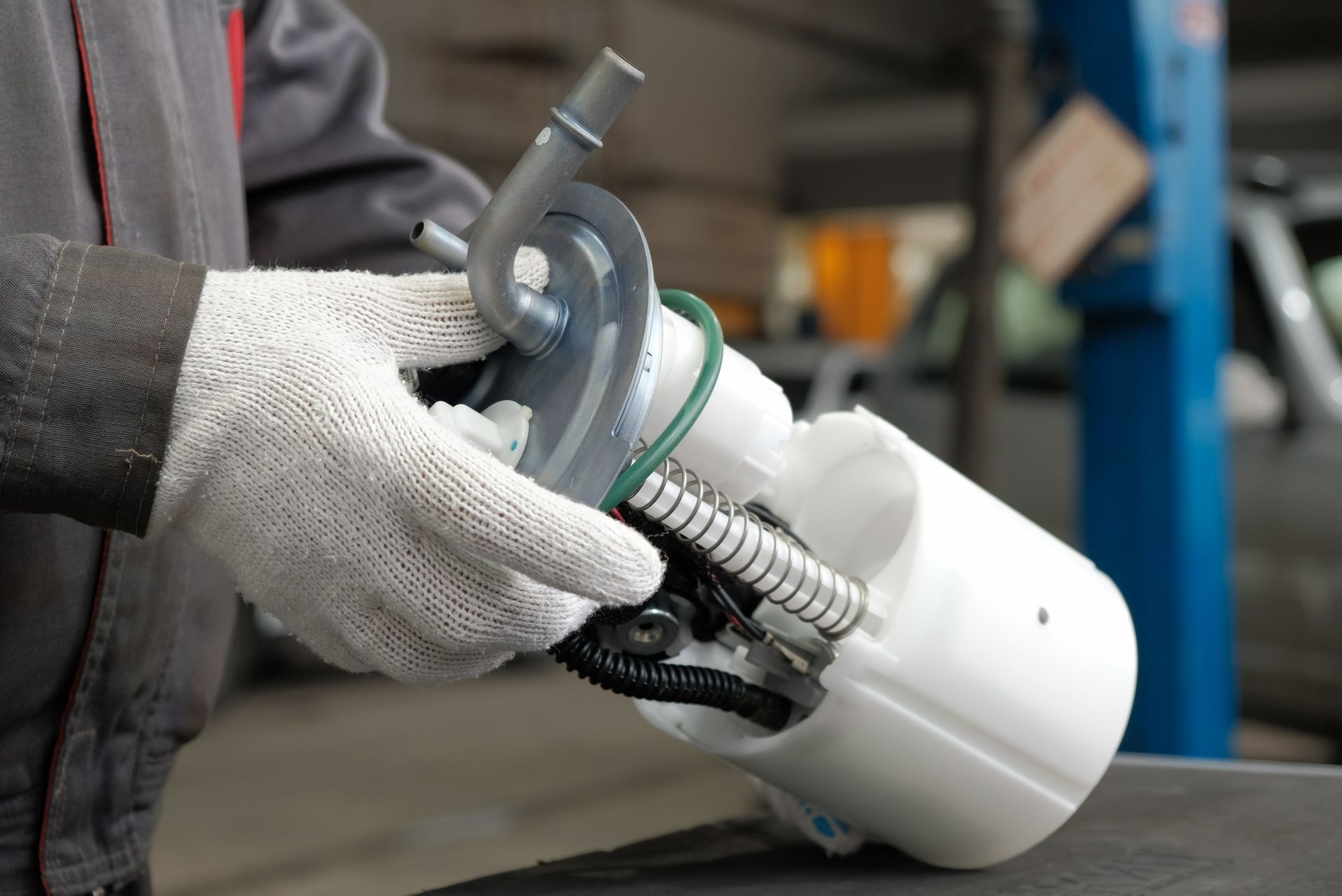
Extreme Auto Repair in Parker, CO, outlines the top causes of fuel pump damage and provides tips on how to prevent them for optimal vehicle performance.
Alternator | Extreme Auto Repair
June 10, 2026
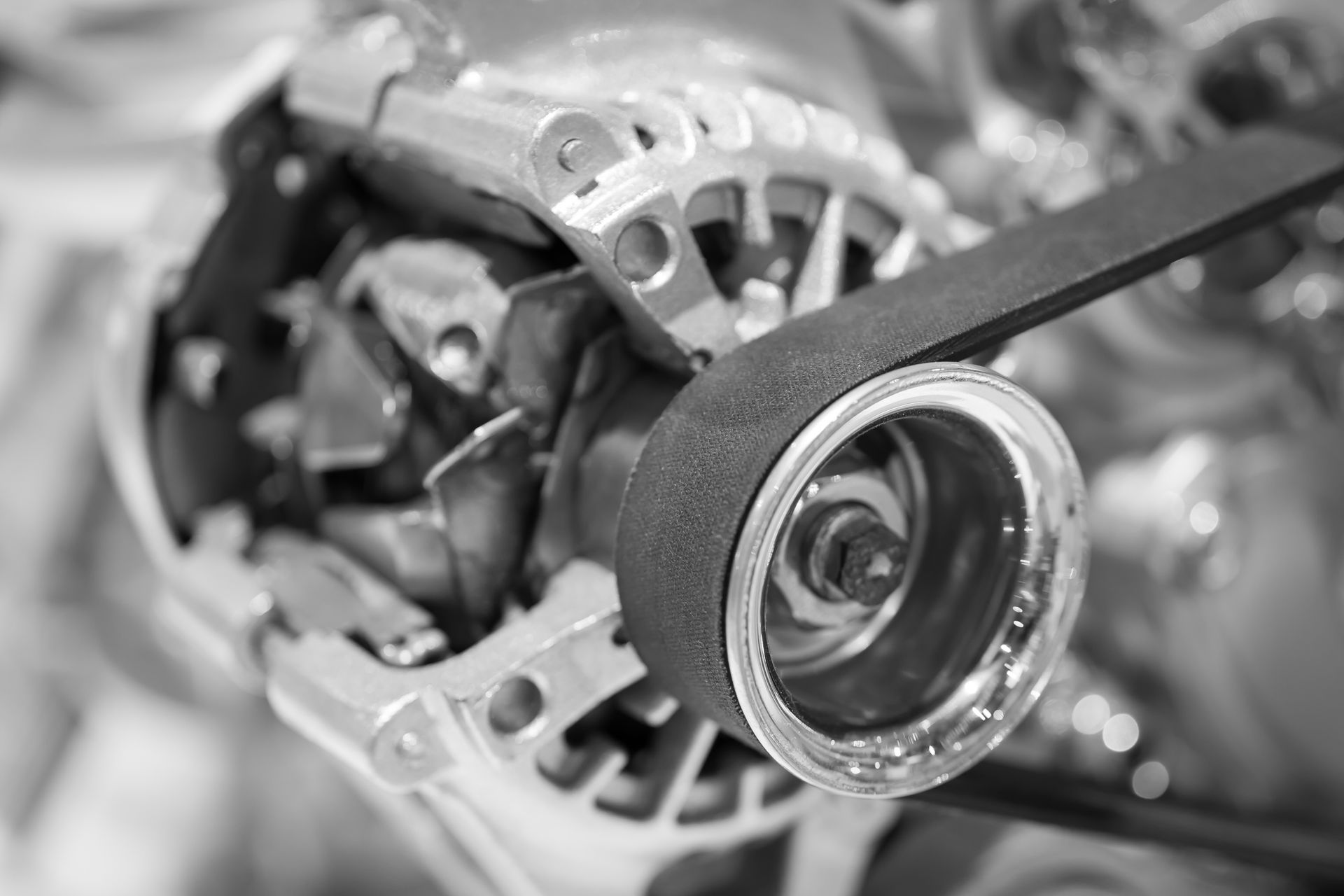
Extreme Auto Repair in Parker and Centennial, CO, explains what happens when your alternator stops charging and how to avoid a breakdown.
Holiday Travel Traffic | Extreme Auto Repair
June 10, 2026
Extreme Auto Repair in Parker and Centennial, CO, shares why testing your battery and charging system is essential before holiday travel.

Location Pin | Extreme Auto Repair
June 10, 2026
Extreme Auto Repair is proud to announce our expansion into Centennial, CO, bringing the same trusted service our customers have known in Parker to a brand-new location. If you've relied on our team for years—or if you're just discovering us for the first time—you can expect the same transparency, expertise, and dedication to quality at this second shop. We’ve always believed that auto repair should be honest, straightforward, and centered around the customer. Now, with two convenient locations, it’s easier than ever to get the expert care your vehicle needs—whether you’re commuting across town or heading into the mountains for the weekend. Everything You Love About Our Parker Shop—Now in Centennial Our new Centennial location is equipped to handle the full range of services on which we’ve built our name. From oil changes and alignments to full engine diagnostics and transmission work, this location mirrors the capabilities of our Parker shop in terms of both service and technology. You’ll see familiar faces, too. Our technicians are experienced, ASE-certified, and committed to doing the job right the first time. We’ve brought the same service values and attention to detail with us—so no matter which location you visit, you’ll get consistent, professional care. Top-Quality Service Without the Dealership Prices At Extreme Auto Repair, we know the challenges many drivers face when choosing between the convenience of a dealership and the personal care of an independent shop. That’s why we make it a point to offer dealer-level diagnostics and factory-grade repairs without the inflated costs or pushy sales tactics. Our new Centennial shop follows the same model: honest estimates, straightforward communication, and no pressure for services you don’t need. You get the right fix at the right price, and always with your best interests in mind. Modern Equipment, Fast Turnaround, and No Guesswork Vehicles are getting more advanced every year. To keep up, we’ve invested in state-of-the-art diagnostic tools and equipment at both of our shops. Whether you're driving a classic pickup or a brand-new hybrid, we have the tools and training to service it accurately and efficiently. Our new shop is designed for fast, streamlined repairs, so you don’t have to wait days for basic services. We also take pride in communication—we’ll keep you updated at every step, explain what’s going on in plain language, and never proceed with any work until you give the green light. Locally Owned, Community Focused Extreme Auto Repair isn’t part of a national chain. We’re a local business that’s proud to serve other locals. Opening our Centennial location is part of our commitment to making car care easier and more accessible across more of the Denver metro area. We understand the unique demands that Colorado drivers face—from mountain driving and winter weather to heavy traffic and longer commutes. Our team knows how to keep your vehicle ready for it all, and we’re here to help with regular maintenance, emergency repairs, and everything in between. Same Warranty, Same Trust Just like our Parker location, the new Centennial shop stands behind its work with a 3-year/36,000-mile nationwide warranty on most parts and labor. Whether you visit us in Parker or Centennial, you’ll have peace of mind knowing your repair is covered. We believe good work should speak for itself—and if there’s ever a problem, we’ll make it right. That’s how we’ve earned our reputation, and we’re excited to bring that level of trust and accountability to even more customers. Whether you’re a long-time customer from Parker or looking for reliable auto care closer to home in Centennial, Extreme Auto Repair is here for you. Our new location offers the same expert service, honest advice, and friendly faces you’ve come to expect—with even more convenience.
Winter drive | Extreme Auto Repair
June 10, 2026
Extreme Auto Repair in Parker and Centennial, CO, explains how to drive safely through the Rockies when ice forms overnight on mountain roads.
Suspencion | Extreme Auto Repair
June 10, 2026
Extreme Auto Repair in Parker, CO, explains how to identify whether strange suspension noises mean something serious or minor wear.
Diesel | Extreme Auto Repair
June 10, 2026
Extreme Auto Repair in Parker and Centennial, CO, explains how ignoring a clogged diesel particulate filter can lead to costly engine repairs and reduced performance.
Power Steering Flush Image | Extreme Auto Repair
June 10, 2026
Extreme Auto Repair in Parker and Centennial, CO, explains why timely power steering flushes are essential to keep your steering system operating smoothly.
Oil change | Extreme Auto Repair
June 10, 2026
Extreme Auto Repair in Parker and Centennial, CO, explains why your car might lose oil even without a visible leak and what to do about it.
Oil Car Problems | Extreme Auto Repair
June 10, 2026
Extreme Auto Repair in Parker, CO, explains what car problems can quietly reduce fuel economy over time.
Show More